Common Areas
The legal definition of "common area" is “the entire common interest development except the separate interests therein.” Because the structure of the separate interests (the real property owned separately by the individual homeowners) depends upon the form of the common interest development (CID), different forms of CIDs will have different scopes and types of common area. (Civ. Code § 4095(a); Pinnacle Museum Tower v. Pinnacle Market Dev'l)
The general definition of common area is a little easier to understand. Common areas are amenities and spaces open to use by association members. It can also include areas owned in common but not open for general use, such as restricted open space set aside as a natural habitat. Common areas can also be set aside for the exclusive use of a particular owner, such as a balcony.
Associations are created to manage and maintain common areas. Part of managing common areas is insuring them.  Purpose of Associations
Planned Development Common Areas
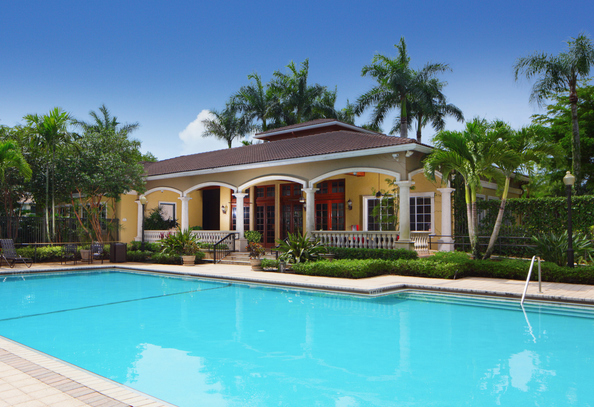 In a planned development, members own their houses and the lots on which they are built. The association’s common areas will consist of amenities such as:
- clubhouses
- swimming pools
- tennis courts
- hiking trails
- greenbelts and open areas
- private streets
- equestrian facilities
- playgrounds
- lakes
- reciprocal easements
Ownership. Ownership of common areas in a planned development can be shared by all owners or owned by the association as a corporate entity.
Condominium Common Areas
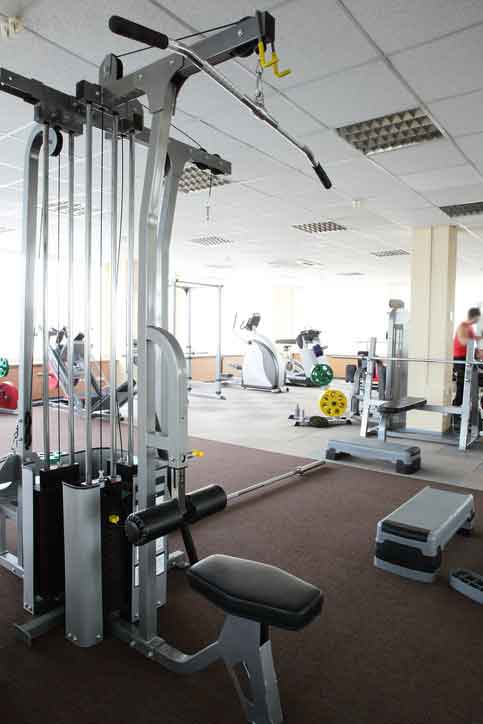
In a condominium association, members own the airspace defined in the condominium plan. The common areas may include:
 |
|
- elevators
- fitness centers
- swimming pools
- tennis courts
- hallways and lobbies
- laundry facilities
- parking areas
- parking spaces
- storage areas
- buildings that house condominiums
- electrical and plumbing in the walls
- the project's real property
Ownership. In a condominium association, all members hold ownership of the common areas as an undivided fractional interest.
|