Common Asphalt Failures
 HOAs must reserve for all major components, including asphalt. If properly maintained, asphalt should last indefinitely. The most common asphalt failures are caused by:
- asphalt oils breaking down from sun exposure;
- inadequately designed asphalt thickness and base substrate to handle traffic loads (failures often occur around trash enclosures where heavy trash trucks maneuver); and
- uncontrolled irrigation run-off or asphalt with inadequate slope to drain water.
Definitions
The following are terms related to asphalt.
- Remove and Replace: The process for completely removing and replacing existing pavement. This is the most expensive and intrusive form of repair.
- Resurface: The process of installing a new layer of asphalt over the existing pavement. The new layer is typically 1.5 inches to 2 inches thick.
- Seal Coat: Application of an asphalt emulsion over the asphalt to avoid oxidation or breakdown of the asphalt oil due to UV rays.
- Crack Sealing: The injection of hot liquid, such as rubberized sealant, into isolated cracks. This prevents water from making its way to the substrate below the asphalt. Crack sealing should be used in conjunction with seal coating.
- Slurry Seal: Similar to a seal coat but with more aggregate mix in the emulsified asphalt.
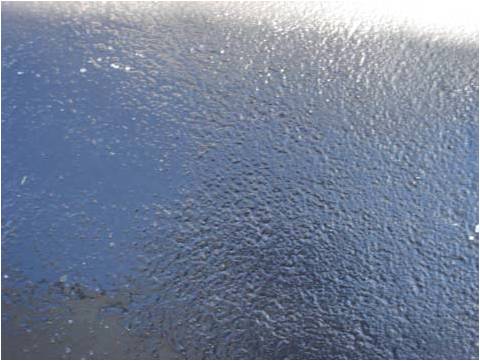 |
CONDITION #1
New asphalt surface, which is smooth and crack-free. Streets look new and well-maintained.
|
|
MAINTENANCE TIPS
- Plan to seal coat every 3 to 6 years. Hot inland areas will need to seal coat more often than communities along the coast.
- Plan to resurface the asphalt every 12 to 15 years.
- Do not let cracks go untreated. Cracks between the asphalt and curb and gutter, or long continuous cracks, can be sealed. Alligator cracks cannot be sealed. These areas of asphalt must be replaced.
- For new communities, plan on seal coating within a year of the completion of construction when the asphalt is fully cured.
- If you continue to have failure problems (alligatoring or spalling) with your asphalt, consider the use of a soils engineer to help design the asphalt section and substrate.
Information submitted by Jeff Smith of Smith Architects, a firm that specializes in architectural services to common interest developments.
ASSISTANCE: Associations needing legal assistance can contact us. To stay current with community association issues, subscribe to the Davis-Stirling Newsletter.
|
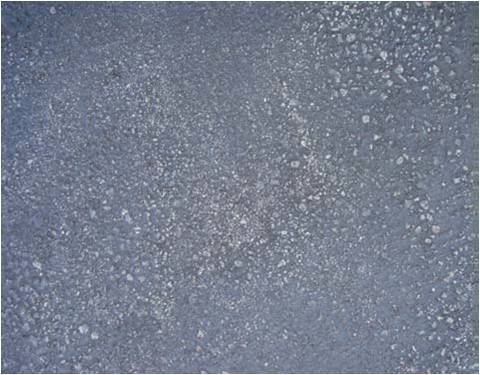 |
CONDITION #2
Oxidation is starting (black to grey), small shrinkage cracks appear, and allow surface water to penetrate below the surface.
|
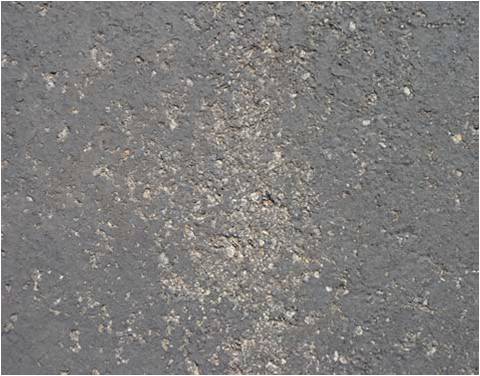 |
CONDITION #3
Shrinkage cracks are getting longer and wider. Surface oxidation is pronounced. More surface water penetrates to the base. This is a good time to apply a seal coat.
|
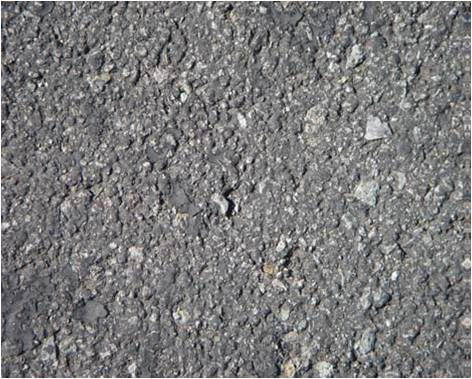 |
CONDITION #4
Reaching a critical point where increasing moisture penetration is damaging the base. Surface fines are being abraded and blown off. Surface color is light, and the surface is getting rough. It is not too late yet to apply a seal coat.
|
 |
CONDITION #5
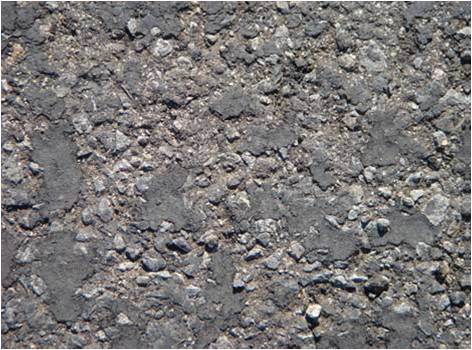
Oxidation, cracking, abrading, raveling, and base damage are occurring at an increasing rate. Surface stones are socketing and being dislodged by traffic. The surface texture is open and rough. By this time, you may be able to prolong the life of the asphalt without expensive repairs by crack sealing and slurry coating.
|
 |
CONDITION #6
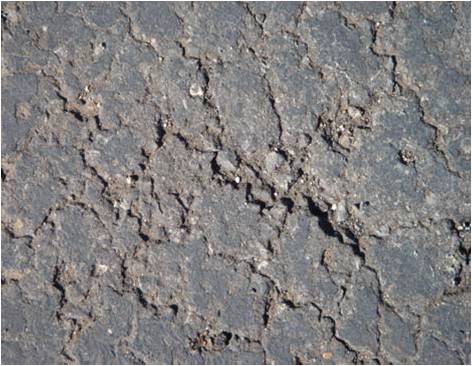
General disintegration rate begins to accelerate due to previous base and surface damage. Shrinkage at Curb lines is creating large gaps. Too late, save your repair money for resurfacing or, in extreme cases, removal and replacement of the asphalt. Start thinking of excuses as to how this was not your fault.
|
|
|
CONDITION #7
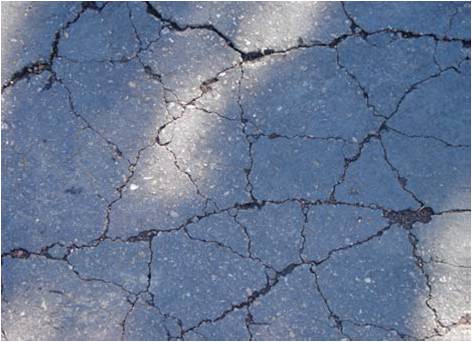
Base failure hastened by water penetration. Affected area settles and cracks in “alligator” patterns. Failure rapidly spreads from this point. Once asphalt reaches this stage, plan on removal and replacement of the affected area or all asphalt if this condition is systemic (over 50% of the surface area).
|
 |
CONDITION #8
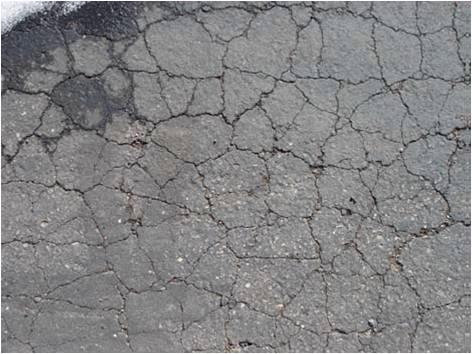
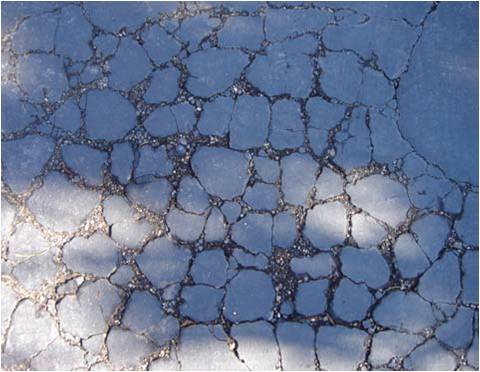
“Alligatored” areas are breaking up. Loose blocks are rocking and can be dislodged. The general surface condition is very poor. Large amounts of stone and fines are evidence. Unsupported edges are cracked and broken.
|
 |
CONDITION #9
Pot holes are developing, and large pieces of pavement are breaking off the edges. Surface heaved and generally bad. Traffic is forced to slow down to avoid large holes. The pot holes enlarge, and base material is free to wash away. Surface is heaved and generally broken. Traffic is forced to slow down because of over-all-location of holes.
|